

10 ml of Oramorph – Oral Solution Information and Patient Safety
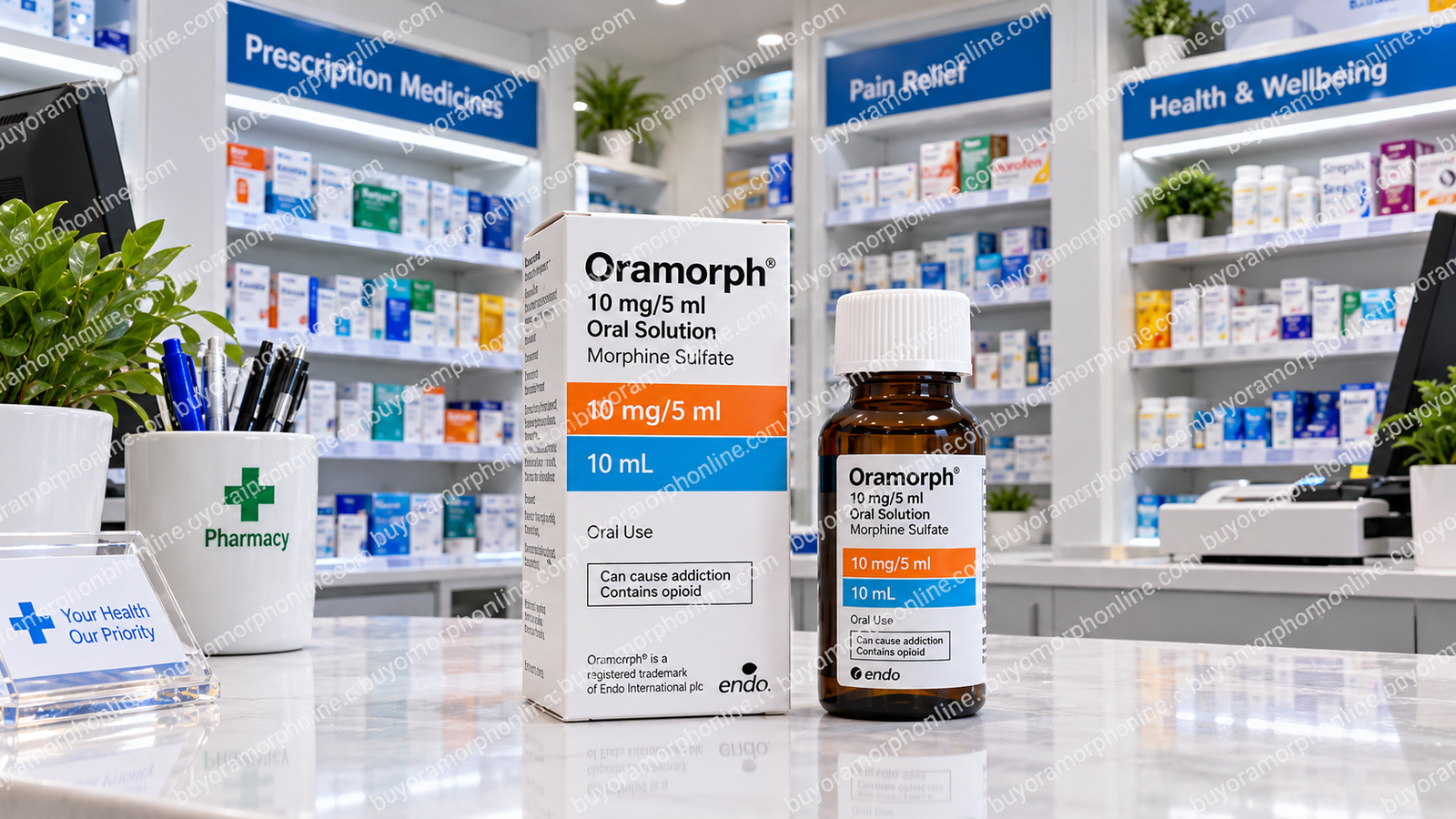
10 ml of Oramorph is a term that may refer to a measured volume of morphine oral solution. Oramorph contains morphine sulfate, a strong opioid medicine prescribed for severe pain.
Understanding the difference between the volume of a liquid and its medicine concentration is essential for patient safety.
At BuyOramorphOnline.com, this educational guide explains what the term means, why prescription requirements matter, and how patients can find reliable information about morphine oral solution.
What Does 10 ml of Oramorph Mean?
The term 10 ml of Oramorph describes a liquid volume rather than a specific medicine strength.
Millilitres (ml) measure the volume of a liquid. Milligrams (mg) describe the quantity of an active ingredient.
These measurements are different.
Oramorph and other morphine oral liquids can have different concentrations. Consequently, the amount of morphine in a measured volume depends on the particular formulation.
A reference to 10 ml alone cannot establish the medicine’s strength, the amount prescribed to a patient, or the size of an authorised manufacturer’s package.
Always check the product label and follow the instructions provided by a qualified prescriber or pharmacist.
Understanding Oramorph Oral Solution
Oramorph contains morphine sulfate, an opioid analgesic that acts on receptors in the brain and spinal cord.
Healthcare professionals may prescribe morphine to manage severe pain when they determine that opioid treatment is appropriate.
Medical situations may include:
- Severe pain following certain operations.
- Significant pain following injuries.
- Cancer-related pain.
- Pain management during palliative care.
A clinician must assess the patient’s circumstances before deciding whether morphine treatment is appropriate.
Read our About Oramorph guide for more general information.
Why Is Liquid Concentration Important?
The strength of an oral medicine determines how much active ingredient is present in a particular volume.
Morphine oral solutions are not automatically interchangeable.
A patient prescribed one concentration should not substitute another concentration without professional guidance.
Important information to check includes:
- The full medicine name.
- The active ingredient.
- The concentration printed on the label.
- The prescribed administration instructions.
- The supplied oral measuring device.
- Any special warnings or storage requirements.
If the prescription label or measuring instructions are unclear, contact the dispensing pharmacist before administering the medicine.
Is Oramorph Prescription-Only?
Yes. In the United Kingdom, Oramorph is a prescription-only opioid medicine.
A medical professional must determine whether morphine is suitable for an individual patient.
The assessment may include the patient’s symptoms, medical history, previous treatment, current medicines and risk factors.
A prescription also allows the healthcare professional to establish appropriate treatment and monitoring arrangements.
Patients should never share morphine prescriptions or use medicines obtained from unauthorised sources.
Our Prescription Guidance page explains the importance of legitimate prescribing and dispensing.
Measuring Morphine Oral Solution Safely
Accurate measurement is essential when using prescribed morphine oral liquid.
Patients should use the oral syringe or measuring device supplied or recommended by their pharmacist.
Household spoons are not reliable medicine-measuring devices.
Follow the instructions on the prescription label rather than using amounts suggested on unrelated websites.
Never increase or change a prescribed amount without medical advice.
If the supplied measuring device is missing or difficult to understand, contact the pharmacist.
Possible Side Effects and Precautions
Morphine can cause side effects even when taken according to prescription instructions.
Common effects may include:
- Constipation.
- Nausea or vomiting.
- Dizziness.
- Sleepiness.
- Reduced alertness.
More serious effects can include dangerously slow or shallow breathing.
Alcohol and certain sedating medicines may increase the risk of serious complications.
Patients should inform their healthcare professional about all prescription medicines, non-prescription products and supplements they take.
Learn more through our Oramorph Patient Safety Guide.
Storage and Handling
Prescription morphine should be stored securely.
Follow the storage instructions supplied with the specific medicine.
Keep it in its original labelled container and out of the sight and reach of children.
Never share prescribed opioid medication with another person.
Ask a pharmacist about safe disposal of unused or expired medicine.
Frequently Asked Questions
Is 10 ml of Oramorph the same as 10 mg?
No. Millilitres measure liquid volume, while milligrams measure the quantity of an active ingredient. The amount of morphine depends on the concentration of the prescribed solution.
Is 10 ml of Oramorph a standard bottle size?
The expression alone does not identify a specific authorised commercial package. Bottle sizes and presentations vary by product and country. Check the official product information.
Can Oramorph be used without a prescription?
No. In the UK, Oramorph requires an appropriate prescription from a qualified prescriber.
How should morphine oral solution be measured?
Use the device supplied or recommended by your pharmacist and follow your individual prescription instructions.
What if I am unsure about my prescribed amount?
Contact your prescriber or pharmacist before taking an uncertain amount. Do not guess or adjust it independently.
What are the signs of a morphine overdose?
Warning signs include severe sleepiness, difficulty waking, slow or shallow breathing, and loss of consciousness. Suspected overdose requires immediate emergency medical assistance.
Can Oramorph cause dependence?
Yes. Morphine can cause physical dependence and addiction. People taking morphine regularly should consult their prescriber before reducing or stopping treatment.
Learn More About Prescription Morphine
Understanding medicine concentrations, prescription instructions and possible side effects helps patients participate in safer treatment decisions.
For independent information, consult the NHS morphine medicine guide and the patient information leaflet supplied with your prescribed medicine.
You can also explore our Oramorph FAQs for answers to other common questions.
For personal prescription questions, speak directly with your doctor or pharmacist.
Medical disclaimer: This category provides general educational information only. It does not provide prescribing instructions, confirm product availability or replace professional medical advice.

10 ml of oramorph