

Oramorph 10mg/5ml – Morphine Sulfate Oral Solution Information
Oramorph 10mg/5ml is a morphine sulfate oral solution formulation containing 10 milligrams of morphine sulfate in every 5 millilitres of liquid. This is equivalent to a concentration of 2mg/ml.
Morphine belongs to a group of strong pain-relieving medicines called opioid analgesics. Healthcare professionals may prescribe morphine for severe pain when they determine that opioid treatment is appropriate.
At BuyOramorphOnline.com, our educational resources help readers understand morphine oral solution, prescription requirements, potential side effects and essential medication safety information.
Oramorph must only be used according to instructions from an appropriately qualified prescriber.

What Is Oramorph 10mg/5ml?
Oramorph is a brand associated with morphine oral preparations.
The 10mg/5ml strength describes the amount of morphine sulfate contained in a measured volume of the medicine.
Morphine works by acting on opioid receptors in the central nervous system. This changes how the body processes and experiences pain.
Morphine does not necessarily treat the underlying cause of pain. Instead, it may form one part of an individual pain management plan.
The appropriate treatment depends on the patient’s condition, medical history, previous medicines and clinical assessment.
Oramorph 10mg/5ml: Key Information
| Characteristic | Information |
|---|---|
| Medicine name | Oramorph |
| Active ingredient | Morphine sulfate |
| Strength | 10mg/5ml |
| Equivalent concentration | 2mg/ml |
| Medicine category | Opioid analgesic |
| Form | Oral solution |
| Administration | By mouth |
| Prescription status | Prescription-only medicine |
| Main clinical purpose | Management of severe pain when prescribed |
Important: The information above describes the formulation. Packaging, authorised indications, ingredients and available bottle sizes may vary between countries and manufacturers.
Always check the official patient information leaflet for the specific product supplied.
When May Morphine Oral Solution Be Prescribed?
Morphine may be prescribed for severe pain in different clinical circumstances.
Severe Pain Following Surgery
Some patients experience significant pain after an operation. A healthcare professional may consider morphine when clinically necessary.
Pain Following Serious Injuries
Morphine may be used in certain cases of severe injury-related pain, depending on the patient’s medical assessment.
Cancer-Related Pain
Some people undergoing cancer treatment experience severe pain that requires specialist management.
Morphine may form part of their treatment plan.
Palliative Care
Morphine is also used in some palliative care settings to help manage severe pain and selected distressing symptoms under medical supervision.
Treatment decisions should always be made by an appropriately qualified healthcare professional.
Understanding Oramorph 10mg/5ml Concentration
The expression 10mg/5ml identifies the concentration of morphine sulfate in the liquid.
It means that every 5ml contains 10mg of morphine sulfate.
The equivalent concentration is 2mg/ml.
These two expressions describe the same strength, not two different medicines.
However, other morphine oral solutions may have substantially different concentrations.
For this reason, patients should carefully check their prescribed medicine and use the measuring device provided or recommended by the pharmacist.
Never assume two morphine products are interchangeable.
Possible Side Effects of Oramorph
Morphine can cause side effects even when used according to a prescription.
Common effects include:
- Constipation.
- Nausea.
- Vomiting.
- Drowsiness.
- Dizziness.
- Sweating.
Some people may experience other reactions.
More serious risks include respiratory depression, excessive sedation, dependence and overdose.
Severe breathing difficulties, unconsciousness or an inability to wake someone taking morphine require immediate emergency medical assistance.
Patients should discuss persistent or concerning side effects with their healthcare professional.
Important Safety Precautions
Safe use of prescription morphine requires attention to several important factors.
Follow Prescription Instructions
Only take morphine according to the instructions provided by the prescriber.
Do not independently increase the amount, shorten the interval between doses or change treatment.
Check Other Medicines
Some medicines can interact with morphine.
Particular caution is necessary with other opioids, sleeping tablets, benzodiazepines and medicines that cause sedation.
Always tell your prescriber or pharmacist about other medicines you take.
Avoid Alcohol
Alcohol can increase drowsiness and the risk of serious breathing problems when combined with morphine.
Avoid alcohol during morphine treatment.
Understand Dependence Risks
Repeated opioid use may lead to tolerance and physical dependence. Addiction is also a recognised risk.
Patients taking morphine regularly should seek medical advice before reducing or stopping treatment.
Store Medicine Securely
Keep opioid medicines out of children’s reach and inaccessible to anyone for whom they were not prescribed.
Follow the official packaging instructions for storage and disposal.
Prescription Requirements for Oramorph 10mg/5ml
In the United Kingdom, morphine oral solution is a prescription-only controlled medicine.
A qualified healthcare professional must assess whether it is appropriate for a patient’s condition.
The prescribing process involves evaluating medical history, current treatments, potential interactions and opioid-related risks.
A legitimate prescription should be dispensed through an appropriately authorised pharmacy.
Patients should avoid websites offering controlled opioid medicines without valid prescription arrangements.
For further information, see our Prescription Guidance page.
Frequently Asked Questions
1. What is Oramorph 10mg/5ml?
It is a morphine sulfate oral solution strength containing 10mg of morphine sulfate in every 5ml of liquid.
2. Is Oramorph 10mg/5ml equivalent to 2mg/ml?
Yes. Both expressions describe the same concentration of morphine sulfate.
3. Is Oramorph available without a prescription?
No. In the UK, Oramorph is a prescription-only controlled medicine.
4. Can Oramorph cause addiction?
Yes. Morphine carries risks of dependence and addiction. Patients should follow their prescribed treatment and discuss concerns with their healthcare professional.
5. Can Oramorph interact with other medicines?
Yes. Certain sedating medicines and other opioids can increase serious risks, including respiratory depression.
6. Can Oramorph affect driving?
Yes. Morphine may cause drowsiness, dizziness and impaired concentration. Do not drive if affected, and follow medical advice and applicable driving laws.
7. Where can I find reliable Oramorph information?
Consult your prescribing clinician, pharmacist, the patient information leaflet and trusted medical sources such as the NHS morphine guide.
Learn More About Morphine Oral Solution
Understanding your prescribed medicine helps you recognise important safety precautions and prepare useful questions for your healthcare professional.
Explore our educational guides:
Medical disclaimer: This content is provided for educational purposes. It does not replace professional medical advice or constitute an offer to prescribe or supply morphine.
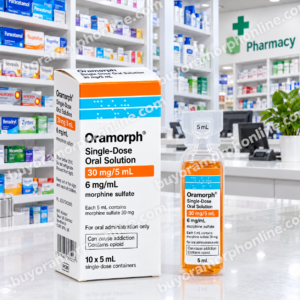

10 ml of oramorph