

2.5 mg Oramorph – Morphine Oral Solution Information and Patient Safety
2.5 mg oramorph is a term used when researching prescribed amounts of morphine oral solution. Oramorph contains morphine sulfate, a strong opioid medicine that may be prescribed for severe pain and certain other symptoms under specialist medical supervision.
Understanding the difference between a medicine dose, its liquid concentration and the amount measured is essential for safe treatment.
This guide explains what 2.5 mg means, how Oramorph works, why a prescription is required, and which safety precautions patients should understand.
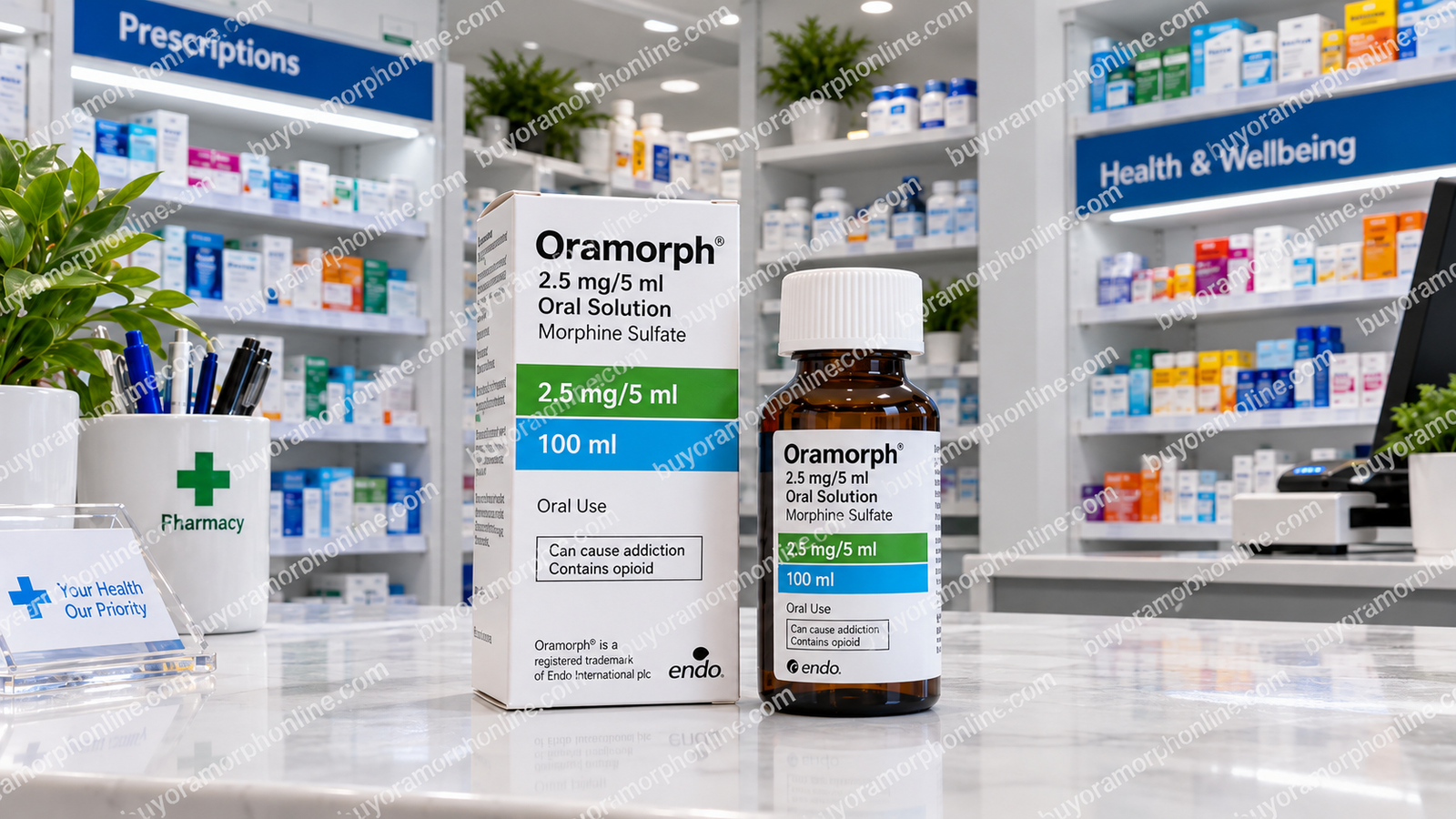
What Is 2.5 mg Oramorph?
The expression 2.5 mg Oramorph describes a quantity of morphine rather than a specific bottle size or confirmed commercial product strength.
Milligrams (mg) measure the quantity of an active ingredient. Millilitres (ml) measure liquid volume.
Oramorph is an oral liquid containing morphine sulfate. Different oral morphine formulations may contain different concentrations.
A clinician may prescribe small quantities of morphine in selected circumstances, depending on the patient’s condition and treatment requirements.
However, the amount prescribed must be determined individually.
Patients should never assume that a particular volume of liquid represents 2.5 mg of morphine without checking the exact formulation and instructions supplied by their healthcare professional.
Understanding Morphine Oral Solution
Oramorph is a branded form of morphine sulfate oral solution.
Morphine belongs to a group of medicines called opioid analgesics.
These medicines act on opioid receptors in the brain and spinal cord, affecting how pain is experienced.
Morphine may be used when a healthcare professional determines that opioid treatment is clinically appropriate.
Because of its effects on the central nervous system, morphine requires careful prescribing, monitoring and patient education.
What Is Oramorph Used For?
Morphine is used in the management of severe pain.
A healthcare professional may consider morphine treatment for patients experiencing:
- Severe pain after certain surgical procedures.
- Serious injury-related pain.
- Cancer-related pain.
- Severe pain during palliative care.
In selected specialist settings, clinicians may also prescribe morphine to help relieve distressing breathlessness.
These treatment decisions require individual assessment and should not be made without professional medical advice.
The suitability of morphine depends on the patient’s diagnosis, previous treatments, health history and potential risks.
Understanding Dose Versus Concentration
It is important to distinguish three measurements associated with oral liquid medicines.
1. Prescribed dose
The prescribed dose is the quantity of medicine that a healthcare professional has instructed an individual patient to take.
It may be expressed in milligrams.
2. Medicine concentration
Concentration describes how much morphine sulfate is present in a specific volume of liquid.
For example, some authorised morphine oral solutions are labelled 10 mg/5 ml.
Other formulations have different concentrations.
3. Measured liquid volume
Liquid volume is expressed in millilitres.
The volume required for an individually prescribed amount depends on the concentration of the particular product.
Never substitute one morphine formulation for another or calculate your own treatment amount without professional guidance.
If there is uncertainty about prescription instructions, ask the dispensing pharmacist to explain them.
Why Is Oramorph Prescription-Only?
Morphine is a prescription-only medicine in the United Kingdom.
Although it has established medical uses, morphine carries risks that require professional supervision.
Potential risks include:
- Respiratory depression.
- Excessive sedation.
- Drug interactions.
- Physical dependence.
- Addiction.
- Withdrawal symptoms.
- Overdose.
A healthcare professional must assess whether morphine is appropriate for an individual patient.
The assessment may involve reviewing the patient’s medical history, current medicines, symptoms and previous treatment.
Learn more in our Oramorph Prescription Guidance section.
Important Patient Safety Considerations
Follow your prescription instructions
Use morphine only as directed by your prescriber.
Do not increase the prescribed amount or change the treatment schedule without medical advice.
If symptoms are not adequately controlled, contact your healthcare professional for reassessment.
Use an appropriate measuring device
Oral morphine should be measured using the calibrated device supplied or recommended by the dispensing pharmacist.
Do not use household spoons or estimate liquid quantities.
Different concentrations must not be confused.
Avoid alcohol
Alcohol can increase the sedative effects of morphine and may contribute to dangerous breathing problems.
Patients should avoid alcohol while taking morphine.
Check for medicine interactions
Certain sleeping medicines, anxiety medicines, other opioids and sedating medicines may increase the risk of serious side effects.
Always tell your healthcare professional about other medicines, supplements and substances you use.
Possible Side Effects of Oramorph
Like other opioid medicines, Oramorph may cause unwanted effects.
Common side effects include:
Constipation: Morphine can slow bowel movements and lead to constipation.
Nausea: Some patients experience nausea or vomiting, particularly during treatment changes.
Drowsiness: Morphine may reduce alertness and concentration.
Dizziness: Patients may feel light-headed or unsteady.
Other side effects can occur, and individual responses may vary.
For persistent or troublesome symptoms, contact your prescribing clinician or pharmacist.
Serious Warning Signs
Morphine can cause dangerously slow or inadequate breathing.
Possible overdose warning signs include:
- Slow or shallow breathing.
- Extreme difficulty waking someone.
- Loss of consciousness.
- Blue or grey lips or skin.
- Unusual gurgling or snoring sounds.
A suspected opioid overdose is a medical emergency.
Call emergency services immediately. Administer naloxone if available and appropriate, following the supplied instructions, without delaying emergency care.
Safe Storage of Morphine Oral Solution
Oramorph must be stored securely.
Patients should:
- Follow the storage instructions on the medicine packaging.
- Keep morphine in its original labelled container.
- Store the medicine away from children and other people.
- Never share prescription medication.
- Check expiry dates.
- Return unwanted medicines to a pharmacy for safe disposal.
Accidental ingestion of morphine can cause life-threatening harm.
For further precautions, visit our Patient Safety Guide.
Frequently Asked Questions About 2.5 mg Oramorph
1. What does 2.5 mg Oramorph mean?
It refers to a quantity of morphine sulfate. It does not independently identify a commercial medicine strength or bottle size.
2. Is 2.5 mg Oramorph a separate product?
The term may refer to an individually prescribed amount rather than a distinct authorised Oramorph product. The specific formulation must be checked.
3. Is 2.5 mg the same as 2.5 ml?
No. Milligrams measure the quantity of morphine, while millilitres measure liquid volume. They cannot be treated as equivalent.
4. Is Oramorph available without a prescription?
No. In the UK, Oramorph is a prescription-only opioid medicine.
5. Can Oramorph cause addiction?
Yes. Morphine carries a risk of addiction. Physical dependence and tolerance may also develop during treatment.
6. What are the common side effects?
Common effects include constipation, nausea, dizziness and drowsiness. Serious breathing problems may occur.
7. How should Oramorph oral solution be measured?
Follow your individual prescription and use the appropriate calibrated measuring device recommended by your pharmacist.
8. Can I stop taking Oramorph suddenly?
If you have been taking morphine regularly, stopping abruptly may cause withdrawal symptoms. Discuss treatment changes with your prescriber.
Reliable Information About Oramorph
Understanding prescription instructions and the risks associated with morphine is essential for safe treatment.
BuyOramorphOnline.com provides educational information about Oramorph, liquid medicine formulations and patient safety.
For more information, explore our About Oramorph and Frequently Asked Questions pages.
You can also consult the independent NHS morphine medicine guide.
For advice about your personal prescription, speak to a qualified healthcare professional or dispensing pharmacist.
Medical disclaimer: This content is intended for general education. It does not provide individual dosing instructions, prescriptions or medical treatment.

10 ml of oramorph