

Oramorph 10 mg – Morphine Oral Solution, Strength and Patient Safety
Oramorph 10 mg is a term commonly used when researching morphine sulfate oral solution, prescription pain relief, and opioid medicine safety. Oramorph contains morphine sulfate, a strong opioid painkiller used for severe pain under medical supervision.
One recognised formulation is Oramorph Oral Solution 10 mg/5 ml, which contains 10 mg of morphine sulfate in every 5 ml of liquid.
Understanding the difference between morphine strength, liquid volume and prescribed dosage is essential for responsible medicine use.
This guide explains what Oramorph is, how its concentration is labelled, when it may be prescribed, and the precautions patients should know.

What Is Oramorph 10 mg?
Oramorph is a branded medicine containing morphine sulfate.
Morphine belongs to a group of medicines called opioid analgesics. These medicines act on receptors in the central nervous system to change how pain is experienced.
Oramorph oral solution is a liquid medicine taken by mouth.
The expression Oramorph 10 mg may refer to the amount of morphine in a formulation or prescribed quantity. It should not be used alone to identify the concentration of an oral liquid.
For example, Oramorph 10 mg/5 ml identifies a concentration of 2 mg/ml.
Patients should always check the complete medicine name, strength and instructions on their prescription label.
Understanding Oramorph 10 mg/5 ml Oral Solution
The concentration of a liquid medicine indicates the amount of active ingredient in a specified volume.
For Oramorph 10 mg/5 ml, the label identifies:
| Medicine information | Details |
|---|---|
| Medicine name | Oramorph |
| Active ingredient | Morphine sulfate |
| Formulation | Oral solution |
| Labelled strength | 10 mg/5 ml |
| Concentration | 2 mg/ml |
| Administration | Oral |
| UK legal classification | Prescription-only medicine |
These details describe the formulation, not an individual treatment recommendation.
Different morphine liquids can contain different concentrations.
Therefore, patients must not assume that the same volume of two morphine products contains the same amount of medicine.
What Is Oramorph Used For?
Oramorph contains morphine, a strong opioid medicine used to treat severe pain.
Healthcare professionals may prescribe morphine in appropriate circumstances, including:
Severe Pain After Surgery
Some patients experience significant pain after surgical procedures.
Morphine may be considered as part of a medically supervised treatment plan when the prescriber determines that the expected benefits outweigh the risks.
Pain Following Serious Injury
Morphine may be used to manage severe pain associated with certain injuries.
The treatment depends on the nature of the injury, the patient’s overall health and other available treatments.
Cancer-Related Pain
Patients living with cancer may experience severe pain requiring specialist medical management.
Morphine may be prescribed as part of an individual pain treatment programme.
Palliative Care
Morphine is sometimes prescribed in palliative care to manage severe pain and selected other distressing symptoms under professional supervision.
The decision to prescribe morphine must be based on an individual clinical assessment.
Why Does Oramorph Require a Prescription?
Oramorph is a prescription-only opioid medicine in the United Kingdom.
Morphine has important clinical uses, but it can also cause significant adverse effects.
These include respiratory depression, excessive sedation, dependence, addiction and potentially fatal overdose.
Before prescribing morphine, a healthcare professional should consider several factors:
- The patient’s medical history.
- The cause and severity of pain.
- Previous pain treatments.
- Current prescription and non-prescription medicines.
- Existing breathing or other medical conditions.
- Possible medicine interactions.
- Potential risks of dependence and misuse.
Patients should only use morphine prescribed specifically for them.
Read our Oramorph Prescription Guidance for more information.
How Is Oramorph Oral Solution Measured?
Accurate measurement is essential when using prescription liquid medicines.
Oramorph oral solution should be measured using a suitable calibrated oral syringe or measuring device supplied or recommended by the pharmacist.
Patients should follow these important principles:
- Read the prescription label carefully.
- Check the stated concentration.
- Use the correct measuring device.
- Do not use household spoons.
- Never guess the amount of medicine.
- Do not increase or change the prescribed amount independently.
- Ask a pharmacist for clarification whenever instructions are unclear.
The fact that an oral solution has a particular concentration does not mean that a specific amount is appropriate for every patient.
Only a qualified prescriber can determine an individual’s treatment requirements.
Possible Side Effects of Oramorph 10 mg
Like other morphine medicines, Oramorph can cause side effects.
Constipation
Morphine may slow bowel movements and cause constipation.
A healthcare professional can recommend suitable measures to manage this effect.
Nausea and Vomiting
Some patients experience nausea or vomiting during treatment.
Persistent or troublesome symptoms should be discussed with a healthcare professional.
Drowsiness
Morphine can cause sleepiness and reduce alertness.
Patients should avoid driving, operating machinery or performing potentially dangerous activities when impaired.
Dizziness
Dizziness or light-headedness may occur and can increase the risk of falls.
Serious Breathing Problems
Morphine can cause respiratory depression, which may become life-threatening.
Warning signs of a possible opioid overdose include slow or difficult breathing, extreme difficulty waking a person, and loss of consciousness.
Seek immediate emergency medical assistance if an overdose is suspected.
Can Oramorph Cause Dependence or Addiction?
Yes. Morphine can cause physical dependence and carries a risk of addiction.
Physical dependence means the body adapts to repeated opioid exposure and withdrawal symptoms may develop if treatment is stopped suddenly.
Tolerance may also develop, meaning the body becomes less responsive to the medicine over time.
Addiction is a separate condition involving compulsive drug use despite harmful consequences.
Patients concerned about any of these problems should discuss them with their prescribing healthcare professional.
Do not stop regular morphine treatment abruptly without medical guidance.
Oramorph and Other Medicines
Morphine can interact with other medicines.
Combining morphine with substances that cause sedation may increase the risk of serious side effects, including breathing difficulties.
Particular precautions may be necessary with:
- Certain sleeping medicines.
- Benzodiazepines and other anxiety medicines.
- Other opioid medicines.
- Some medicines used for nerve pain.
- Other medicines that cause drowsiness.
Alcohol should be avoided while taking morphine because it can increase sedation and breathing risks.
Always tell your healthcare professional about all medicines and supplements you use.
Safe Storage of Oramorph Oral Solution
Morphine should be stored securely and according to its product instructions.
Important precautions include:
- Keep the medicine in its original labelled packaging.
- Store it out of the sight and reach of children.
- Follow the temperature and storage instructions supplied with the medicine.
- Never share prescribed morphine.
- Check the medicine’s expiry date.
- Return unwanted or expired medicine to a pharmacy for appropriate disposal.
The dispensing pharmacist can explain any product-specific storage requirements.
For further information, visit our Patient Safety Guide.
Frequently Asked Questions About Oramorph 10 mg
1. What is Oramorph 10 mg?
Oramorph is a branded morphine sulfate medicine. The expression Oramorph 10 mg may refer to an amount of morphine, but the complete formulation and concentration must be confirmed from the product label.
2. Is Oramorph 10 mg the same as 10 mg/5 ml?
Not necessarily. The expression 10 mg identifies an amount of medicine, while 10 mg/5 ml identifies a specific liquid concentration.
3. What is Oramorph 10 mg/5 ml used for?
It is an oral morphine formulation used for severe pain when prescribed by a qualified healthcare professional.
4. Is Oramorph available without a prescription?
No. Oramorph is a prescription-only medicine in the United Kingdom.
5. Can Oramorph cause addiction?
Yes. Morphine has the potential to cause addiction, and physical dependence may develop during regular treatment.
6. What are the common side effects of Oramorph?
Common effects include constipation, nausea, vomiting, dizziness and drowsiness. Serious breathing problems require immediate emergency medical attention.
7. How should Oramorph oral solution be measured?
Patients should use the calibrated measuring device recommended by their pharmacist and follow their individual prescription instructions.
8. Can I take Oramorph with alcohol?
Alcohol should be avoided while taking morphine because the combination can increase sedation and the risk of respiratory depression.
Further Oramorph Information and Patient Support
Understanding morphine strength, prescription requirements and safety precautions can help patients have more informed conversations with their healthcare professionals.
At BuyOramorphOnline.com, our educational resources explain morphine oral solution, medicine safety and responsible opioid treatment.
Visit our Oramorph Frequently Asked Questions or explore the About Oramorph page.
For independent medical guidance, consult the NHS morphine medicine guide.
If you have questions about your prescription, contact your doctor or dispensing pharmacist.
Medical disclaimer: This article provides general educational information and does not offer individual dosing instructions, prescriptions or medical treatment.
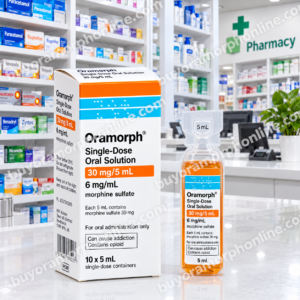

10 ml of oramorph