



oramorph 500ml uk
£199.00
Oramorph 500ml Oral Solution UK is a prescription-only liquid medicine containing morphine sulphate at a concentration of 10mg/5ml (2mg/ml).
Morphine is a strong opioid painkiller used for severe pain under medical supervision. The 500ml measurement describes the bottle volume, not an individual dose.
Oramorph 500ml Oral Solution UK – Morphine Sulphate 10mg/5ml
Oramorph 500ml Oral Solution UK contains morphine sulphate, a strong opioid medicine prescribed for severe pain when a healthcare professional determines that treatment is appropriate.
The 500ml bottle contains an oral liquid formulation. Each 5ml contains 10mg of morphine sulphate, equivalent to 2mg/ml.
Oramorph is a prescription-only medicine in the United Kingdom. It requires medical assessment, appropriate prescribing and careful monitoring because morphine can cause serious adverse effects.
This information page explains the medicine’s formulation, prescription requirements and important patient safety considerations.
What Is Oramorph 500ml Oral Solution?
Oramorph is a branded morphine sulphate oral solution.
Morphine belongs to a class of medicines called opioid analgesics. It acts on opioid receptors in the brain and spinal cord, changing how the body experiences pain.
A healthcare professional may prescribe morphine for severe pain associated with certain medical conditions.
The 500ml presentation describes the quantity of liquid supplied in the bottle. It does not represent the amount that a patient should take at one time.
Different morphine oral solutions may have different concentrations. Therefore, patients should always check the exact strength of their prescribed medicine.
Oramorph 500ml Product Information
| Specification | Details |
|---|---|
| Medicine name | Oramorph |
| Active ingredient | Morphine sulphate |
| Formulation | Oral solution |
| Bottle volume | 500ml |
| Strength | 10mg/5ml |
| Concentration | 2mg/ml |
| Administration route | Oral |
| Medicine classification | Prescription-only controlled medicine |
| Intended use | Severe pain under medical supervision |
| Market reference | United Kingdom |
Important: Product specifications must be checked against the manufacturer’s current UK documentation. Pack availability can change.
What Is Oramorph Oral Solution Used For?
Morphine is used to manage severe pain when a qualified healthcare professional considers it clinically appropriate.
It may form part of treatment for:
Severe Postoperative Pain
Some patients experience significant pain following surgery. A clinician may consider morphine when suitable pain control is needed.
Pain Following Serious Injury
Severe pain following certain injuries may require prescription opioid treatment as part of a wider medical care plan.
Cancer-Related Pain
Morphine can be prescribed to help manage severe cancer-related pain under medical supervision.
Palliative Care
Morphine may be used in specialist palliative care to manage pain and certain other distressing symptoms, where clinically appropriate.
The choice of treatment depends on the individual patient’s medical condition, other medicines and potential risks.
Understanding the Difference Between 500ml and 10mg/5ml
It is essential to distinguish between bottle volume and medicine strength.
500ml refers to the total volume of oral liquid in the container.
10mg/5ml describes the medicine concentration. Every 5ml contains 10mg of morphine sulphate.
Patients must never assume that different morphine oral solutions can be substituted for each other.
Concentration errors involving opioid medicines can cause serious harm.
Always follow your individual prescription label and ask a pharmacist if you are uncertain.
Prescription Requirements in the UK
Oramorph contains morphine, a controlled opioid medicine available only on prescription.
Before prescribing morphine, a qualified healthcare professional should assess the patient’s medical history, symptoms, previous treatment and relevant risk factors.
A valid prescription and authorised pharmacy dispensing are important safeguards.
Patients should not share medicines or use another person’s prescription.
For further information, read our Prescription Guidance.
Possible Side Effects of Oramorph
Like all medicines, Oramorph can cause side effects.
Common effects include:
- Constipation.
- Nausea and vomiting.
- Drowsiness.
- Dizziness.
- Sweating.
- Confusion.
Some side effects require immediate medical attention.
Serious Side Effects and Overdose
Morphine can cause respiratory depression, meaning breathing becomes dangerously slow or inadequate.
Possible overdose warning signs include extreme sleepiness, difficulty waking, slow or shallow breathing, and loss of consciousness.
Suspected opioid overdose is a medical emergency. Contact emergency services immediately.
Patients should discuss the risks of morphine with their healthcare professional.
Important Precautions
Medicine interactions
Morphine may interact with sleeping medicines, benzodiazepines, other opioids and additional medicines that affect the central nervous system.
These combinations can increase sedation and the risk of serious breathing problems.
Alcohol
Avoid alcohol while taking morphine because it may increase dangerous side effects.
Driving
Morphine can impair concentration, alertness and reaction time.
Do not drive if affected by the medicine.
Dependence and withdrawal
Regular morphine use can cause physical dependence. Abrupt discontinuation may lead to withdrawal symptoms.
Patients should discuss any treatment changes with their prescriber.
Storage and Handling
Morphine must be stored securely.
Patients should:
- Keep the medicine in its original labelled packaging.
- Follow the storage instructions in the official leaflet.
- Store it safely away from children and unauthorised persons.
- Avoid sharing prescribed medicines.
- Ask a pharmacist how to dispose of unused medicine.
Always check the expiry date and any instructions concerning storage after opening.
Frequently Asked Questions
1. What is Oramorph 500ml Oral Solution?
It is a 500ml bottle presentation of a morphine sulphate oral solution. The UK 10mg/5ml formulation contains 2mg of morphine sulphate per millilitre.
2. Is Oramorph 500ml available without a prescription?
No. Oramorph is a prescription-only controlled medicine in the UK.
3. Is Oramorph 500ml the same as Oramorph 300ml?
The figures 500ml and 300ml describe bottle volumes. Products may have the same medicine concentration, but patients must verify the exact strength and formulation.
4. Can Oramorph cause addiction?
Yes. Morphine carries risks of addiction, tolerance and physical dependence. A healthcare professional should monitor treatment appropriately.
5. How should morphine oral solution be measured?
Use the calibrated oral measuring device supplied or recommended by your pharmacist. Follow the prescription instructions exactly.
6. Can Oramorph be taken with other medicines?
Morphine may interact with several medicines. Always discuss other prescription medicines, over-the-counter products and supplements with your pharmacist or prescriber.
7. Where can I find official medical information?
Read the patient information leaflet supplied with your medicine. You can also consult the NHS website and official UK medicine documentation.
Further Patient Information
Understanding the strength, bottle volume and potential risks of morphine is essential for safe treatment.
For additional guidance, explore our Patient Safety page and Oramorph FAQs.
For independent medical information, visit the NHS morphine guide.
Medical disclaimer: This product information is educational. It does not replace medical advice, provide prescribing instructions or establish current availability. Only use morphine under the supervision of a qualified healthcare professional.
Be the first to review “oramorph 500ml uk”
Related products


oramorph oral solution 10mg/5ml
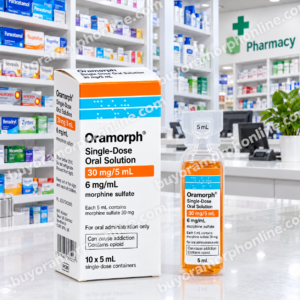

10 ml of oramorph
Reviews
There are no reviews yet.