



oramorph oral solution 10mg 5ml uk
£200.00
Oramorph oral solution 10mg 5ml UK information: understand morphine strength, prescription requirements, possible side effects and important safety advice.
Copy
WooCommerce Short Description
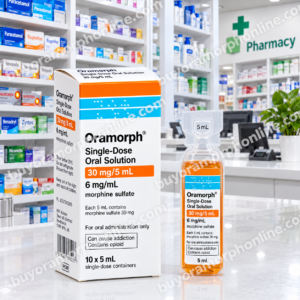
Oramorph Oral Solution 10mg/5ml UK is a prescription-only liquid medicine containing morphine sulfate, a strong opioid painkiller used to relieve severe pain.
Each 5ml of oral solution contains 10mg of morphine sulfate, equivalent to a concentration of 2mg/ml.
Oramorph must be used only under appropriate medical supervision because it can cause serious side effects, including respiratory depression, physical dependence and addiction.
This page explains its formulation, prescription requirements, possible side effects and important patient safety precautions.
Oramorph Oral Solution 10mg/5ml UK – Morphine Sulfate Information
oramorph oral solution 10mg 5ml uk is a commonly searched term for information about the liquid morphine medicine Oramorph.
Oramorph contains morphine sulfate, an opioid analgesic prescribed for severe pain when a healthcare professional determines that this treatment is appropriate.
It is important to understand the medicine’s concentration, the role of medical supervision and its potential risks before use.
This guide provides information about the 10mg/5ml oral formulation, its medical applications, safety precautions and prescription requirements in the United Kingdom.
What Is Oramorph Oral Solution 10mg/5ml?
Oramorph Oral Solution 10mg/5ml is a liquid medicine containing morphine sulfate.
It belongs to a class of medicines known as opioid analgesics. These medicines act on the central nervous system and change how the body perceives pain.
The formulation is taken by mouth and may be prescribed when a clinician considers oral liquid morphine suitable for a patient’s treatment plan.
Morphine is a strong painkiller. Therefore, medical assessment and monitoring are important throughout treatment.
Understanding Oramorph 10mg/5ml Strength
The concentration stated on the medicine label describes how much active ingredient is present in a measured volume.
For Oramorph Oral Solution 10mg/5ml:
- Active ingredient: Morphine sulfate
- Medicine strength: 10mg per 5ml
- Equivalent concentration: 2mg/ml
- Pharmaceutical form: Oral solution
- Route of administration: By mouth
- UK legal status: Prescription-only medicine
- Medicine class: Opioid analgesic
The concentration must not be confused with a patient’s prescribed dose.
Different morphine products may have different concentrations, and they are not automatically interchangeable.
Patients should check the actual product packaging and ask a pharmacist if any information is unclear.
What Is Oramorph Oral Solution Used For?
Morphine is prescribed to relieve severe pain when clinically appropriate.
Healthcare professionals may consider it for conditions involving significant pain, including:
Severe Pain Following Surgery
Some patients require strong pain relief after major surgical procedures.
The appropriate treatment depends on the operation, the patient’s condition and their response to other pain medicines.
Severe Pain Following Injury
Certain serious injuries may require medical pain management involving opioid medicines.
A qualified clinician determines whether morphine is suitable.
Cancer-Related Pain
Morphine may be used as part of a treatment plan for severe pain associated with cancer.
The treatment approach depends on individual symptoms, previous medication use and clinical assessment.
Palliative Care
Morphine is also used in palliative care for severe pain and may be prescribed for certain other distressing symptoms under specialist supervision.
How Does Oramorph Work?
Morphine works by binding to opioid receptors in the brain and spinal cord.
These receptors are involved in the body’s processing of pain signals.
By acting on these receptors, morphine changes the perception of pain and can provide symptom relief.
However, it does not necessarily treat the underlying cause of pain.
A healthcare professional should assess the condition responsible for the symptoms and explain how opioid treatment fits into the overall care plan.
Why Is Oramorph Prescription-Only in the UK?
Oramorph is a prescription-only medicine because morphine carries significant risks.
These risks include respiratory depression, severe drowsiness, dependence, addiction and potentially fatal overdose.
A qualified healthcare professional should assess the patient’s medical history, current medicines and relevant health conditions before prescribing morphine.
Patients should never use another person’s prescribed medication.
For further information, see our Prescription Guidance page.
Important Safety Information
Follow Your Prescription Instructions
Always take Oramorph exactly as directed by your prescribing healthcare professional.
Use the appropriate calibrated oral syringe or measuring device supplied or recommended by your pharmacist.
Do not use household spoons to measure liquid morphine.
Never increase the amount or frequency of treatment without medical advice.
Possible Side Effects
Common side effects of morphine include:
- Constipation
- Nausea
- Vomiting
- Drowsiness
- Dizziness
- Confusion
- Itching
Not everyone experiences these effects.
Tell your healthcare professional about persistent or troublesome symptoms.
Serious Side Effects and Emergencies
Morphine may cause dangerously slow or inadequate breathing.
Seek emergency medical assistance immediately if someone taking morphine develops very slow breathing, loses consciousness or becomes extremely difficult to wake.
A suspected opioid overdose is a medical emergency.
Medicine Interactions
Morphine can interact with other medicines, especially those affecting the central nervous system.
Certain sedatives, sleeping medicines, other opioids and medicines for anxiety may increase the risk of severe drowsiness and breathing problems.
Alcohol can also increase serious side effects and should be avoided while taking morphine.
Tell your healthcare professional about all prescription medicines, non-prescription products and supplements you take.
Driving and Operating Machinery
Morphine can affect alertness, concentration and reaction time.
Do not drive or operate machinery if your ability to do so safely is impaired.
Follow the advice of your healthcare professional and applicable UK driving laws.
Dependence and Withdrawal
Morphine can cause physical dependence, particularly with regular or prolonged use.
Stopping treatment suddenly may cause withdrawal symptoms.
Patients who have been taking morphine regularly should discuss any treatment changes with their prescriber.
Do not independently change or discontinue prescribed treatment.
Storage and Handling
Store Oramorph according to the instructions supplied with the specific medicine.
Important precautions include keeping the medicine in its original labelled packaging, storing it securely and ensuring children cannot access it.
Check the manufacturer’s instructions for temperature requirements, expiry dates and how long the product may be used after opening.
Ask a pharmacist how to dispose of unwanted or expired medicines.
Frequently Asked Questions
1. What is Oramorph Oral Solution 10mg/5ml?
It is a liquid opioid medicine containing 10mg of morphine sulfate in every 5ml of solution. It is prescribed for severe pain when clinically appropriate.
2. Is Oramorph 10mg/5ml the same concentration as 2mg/ml?
Yes. Both descriptions express the same concentration of morphine sulfate. However, the complete medicine formulation and manufacturer should still be checked.
3. Is Oramorph available without a prescription in the UK?
No. Oramorph is a prescription-only medicine in the United Kingdom and must be prescribed by an appropriately qualified healthcare professional.
4. Can Oramorph cause addiction?
Yes. Morphine carries a risk of addiction. It can also cause tolerance and physical dependence, which are related but distinct conditions.
5. What side effects should patients watch for?
Common effects include constipation, nausea, vomiting, dizziness and drowsiness. Severe breathing problems or reduced consciousness require emergency assistance.
6. Can Oramorph interact with other medicines?
Yes. Morphine can interact with medicines such as sedatives, certain anxiety medicines and other opioids. Always discuss potential interactions with your prescriber or pharmacist.
7. Can I stop taking Oramorph suddenly?
Stopping morphine abruptly after regular use may cause withdrawal symptoms. Discuss treatment changes with your healthcare professional.
8. Where can I find official information about Oramorph?
Consult the patient information leaflet supplied with your medicine, your dispensing pharmacist or the NHS morphine medicine guide.
Further Information About Oramorph in the UK
Understanding morphine strength, prescription requirements and safety precautions is important for informed medication use.
For further information, consult the NHS morphine medicine guide or the official patient information leaflet provided with the particular product.
You can also explore our Patient Safety Guide and Frequently Asked Questions.
Medical disclaimer: This description is provided for educational purposes. It does not replace personalised medical advice, offer a prescription or establish product availability.
Be the first to review “oramorph oral solution 10mg 5ml uk”
Related products

10 ml of oramorph


oramorph oral solution 10mg/5ml
Reviews
There are no reviews yet.